
As the days get shorter and the mornings darker, it can be tempting to hibernate until spring arrives. Getting out of bed suddenly feels like a full-time job, and our cosy blankets become very persuasive! But winter doesn’t have to be something we simply endure. With a few practical winter wellbeing tips, we can nurture our wellbeing and find moments of comfort, connection and joy.
Staying Connected in Winter: Relationships Matter
When it’s cold outside, cancelling plans and staying cosy at home can feel very appealing. But staying connected with others is an important part of our wellbeing, especially when shorter days and colder weather make socialising more difficult.
The 5-3-1 guideline offers one way to think about nurturing our social connections:
5
people to connect with each week: This could be a friend, colleague, neighbour, family member or someone you regularly chat to at your local café. Even a friendly conversation or thoughtful message is a good place to start.
3
close relationships to nurture: Think about the people you feel comfortable being yourself around. Make time to check in, arrange a catch-up or have an honest conversation about how you’re really feeling.
1
hour of social connection each day: This might mean sharing a meal with family, walking with a friend, calling someone you love or chatting with others at a group or community activity.
Think of this as a flexible guide, not a tick-box exercise. The aim is to maintain meaningful connections during winter, when some people may feel more isolated.
Three Healthy Habits for Winter Wellbeing
When winter leaves us feeling a little sluggish, small changes to our daily routine can help us feel more energised and balanced. Here are three simple winter self-care habits to try.
Get some daylight
Try stepping outside during your lunch break, even for ten minutes. Natural daylight helps regulate our body clock, which plays an important role in our sleep-wake cycle.
Move in ways you enjoy
You don’t need an intense gym session to benefit from movement. A brisk walk, a spot of dancing in the kitchen or some gentle yoga can all support your physical and emotional wellbeing.
Make room for the little things
Keep a regular sleep routine, enjoy nourishing meals and make time for things you enjoy, whether that’s reading a good book or meeting a friend for a cuppa.
November: A Month of Connection and Kindness
November offers some useful reminders to check in with ourselves and the people around us.
Movember encourages conversations about men’s health, including mental wellbeing. A simple “How are you, really?” can open the door to a more meaningful conversation with someone who might be struggling.
National Stress Awareness Day, on 4 November, is an opportunity to pause and notice when life is becoming overwhelming. Could you set a boundary, take a proper break or give yourself permission to say no?
World Kindness Day, on 13 November, reminds us that kindness doesn’t have to be grand. A thoughtful message, helping a neighbour or simply listening can strengthen our connections, and these small acts matter all year round.
How to Enjoy Winter: Flipping the Script
Let’s be honest: winter can be a bit of a slog. It’s dark when we get up and dark when we finish work, and suddenly putting the heating on feels like a major financial decision! But what if we flipped the script and viewed winter as an opportunity to slow down, rather than something to simply get through?
Winter can be a chance to embrace a gentler pace, reconnect with ourselves and make more room for the things that bring us joy. Think cosy evenings with a good book, leisurely walks in the crisp air, trying a new hobby or spending quality time with the people we love.
Try asking yourself: What would help me feel good today? It might be getting outside for some fresh air, catching up with a friend or simply giving yourself permission to take things a little slower.
By embracing the opportunities winter offers and finding small ways to look after ourselves, we can make the season feel more enjoyable and meaningful.
Winter Self-Care: A Little Goes a Long Way
Looking after our wellbeing during winter doesn’t have to involve a big lifestyle overhaul. Often, everyday choices make a difference: getting outside, reaching out to someone, moving our bodies or making time for something we enjoy.
As the colder months settle in, remember to be kind to yourself. You don’t have to make every day wonderful, but you can look for ways to make it brighter. After all, winter might just have more to offer than we think!
Ready to give your winter wellbeing a little boost?
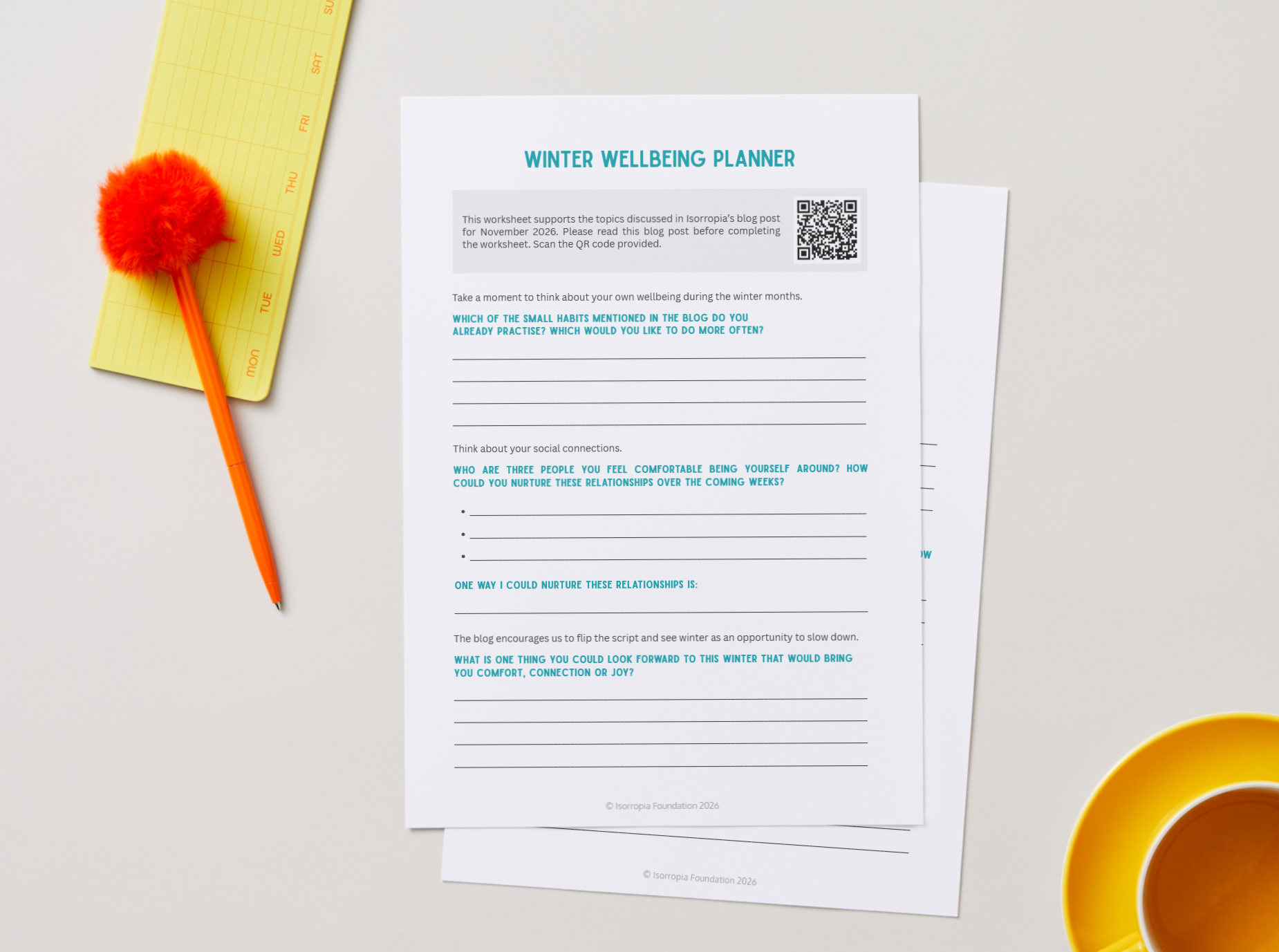
Our Winter Wellbeing Planner is designed to help you reflect on how you’re feeling, identify simple ways to look after yourself and plan small activities that bring you comfort, connection and joy. It’s a lovely way to turn the ideas in this article into practical steps that work for you.
Download your FREE Winter Wellbeing Planner and start making space for your wellbeing this winter.
An Exciting New Chapter: Introducing Our Online Wellbeing Courses
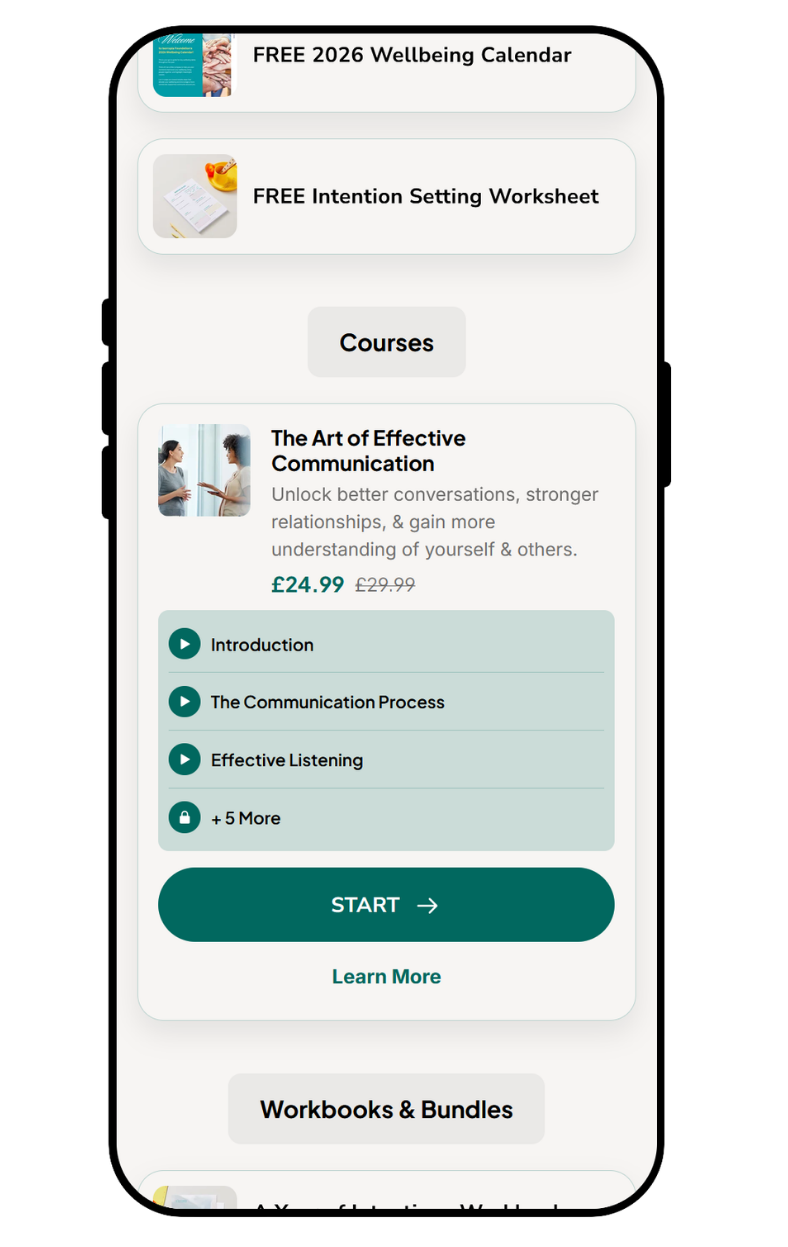
At Isorropia Foundation, we believe everyone deserves the opportunity to develop the knowledge and skills to support their wellbeing. That’s why we’re excited to take the next step in our mission by bringing our workshops to more people through a new series of online courses.
We’re delighted to introduce our first course, The Art of Effective Communication. Combining bite-sized videos with practical worksheets, the course offers a flexible way to explore communication skills and put what you learn into practice in everyday life.
And this is just the beginning! Over the next year, we’ll be releasing more of our workshop topics as online courses, helping make our resources accessible to a wider community.
Ready to get started?