

Have you ever been so absorbed in something that you completely lost track of time? Finding your flow can happen when we’re doing something we genuinely enjoy, whether that’s getting creative, exercising, playing music, cooking, gardening, working or even having a conversation that we’re completely engaged in.
For a while, everything else seemed to disappear. You weren’t thinking about what happened earlier in the day or what you needed to do later – you were simply there, completely immersed in what you were doing.
Psychologist Mihaly Csikszentmihalyi described this experience as “flow” – a psychological state where we become deeply absorbed in an activity and experience a sense of focus, enjoyment and effortless involvement.
Flow is sometimes described as being in the “zone”. It is an example of what Csikszentmihalyi called an optimal experience: a state in which our attention is fully engaged, and we feel that we are using our skills and abilities in a meaningful and satisfying way.
And while we can’t necessarily switch flow on whenever we want, understanding what helps us experience it can teach us a lot about our attention, our habits and our wellbeing.

What does it actually feel like to be in flow?
Flow is more than simply concentrating.
When we’re in flow, several things tend to happen at the same time. We become deeply focused on the task in front of us, distractions fade into the background, and we can become less aware of time passing.
The activity itself becomes rewarding. Rather than constantly thinking about the end result, we’re engaged in the process.
You might notice that:
-
- Time seems to pass very quickly.
- You’re completely absorbed in what you’re doing.
- Your attention feels naturally focused.
- You’re less aware of yourself or external distractions.
- The task feels challenging, but achievable.
- You have a clear sense of what you’re trying to accomplish.
- You receive some form of feedback as you go.
- You feel a sense of satisfaction from the activity itself.
Importantly, flow isn’t necessarily about being productive.
You can experience flow while working, but you can also experience it while painting, running, gardening, playing an instrument, building something, gaming or engaging in a hobby.
Flow is about engagement, not achievement.
Finding your flow: the sweet spot
One of the interesting things about flow is that the activity needs to provide the right level of challenge.
If something is far too easy, we might become bored. If something feels completely beyond our abilities, we may become overwhelmed or anxious.
Flow tends to occur somewhere in between – when we’re being challenged enough to stay engaged, while also having enough skill or support to feel that the task is manageable.
The “sweet spot” sits somewhere between the two.
This can be useful when we’re thinking about our own wellbeing. Sometimes, feeling stuck isn’t a sign that we need to push ourselves harder. We may simply need to adjust the challenge.
Could the task be broken down into smaller steps?
Could we learn a new skill?
Could we remove some distractions?
Could we give ourselves more time?
Creating the conditions for engagement can sometimes be more helpful than simply telling ourselves to “try harder”.
ADHD and flow
October is ADHD Awareness Month, making it a useful opportunity to think about attention in a slightly different way.
ADHD is often discussed in terms of difficulties with attention, but attention isn’t simply something that people either have or don’t have. For people with ADHD, attention can be strongly influenced by factors such as interest, novelty, challenge and reward.
This is one reason why someone with ADHD might become intensely absorbed in an activity they’re interested in, while finding it difficult to start or maintain attention on something that feels repetitive, uninteresting or overwhelming.
This intense absorption is sometimes referred to as hyperfocus. While hyperfocus and flow aren’t exactly the same thing, they can share similarities, including deep concentration and reduced awareness of what’s happening around us.
Understanding this can help challenge the idea that ADHD simply means someone “can’t concentrate”. The reality is more complicated. It can be less about an absence of attention and more about how attention is regulated.
Whether you have ADHD or not, our modern lives give our attention plenty of competition. Notifications, emails, social media, constant messages and the pressure to multitask can make it difficult to become deeply immersed in anything.
Sometimes the biggest distraction isn’t external at all. Our minds can be busy thinking about yesterday, worrying about tomorrow, replaying a conversation or running through our never-ending to-do list.
This is why creating the right conditions for focus can be so valuable – and those conditions may look different for everyone. For one person, it might mean putting their phone away and working in silence. For someone else, background music, movement or working alongside another person might make it easier to engage.
There isn’t one perfect way to find your flow.
We don’t need to eliminate every distraction or spend hours in perfect concentration. It might simply mean creating small pockets of time where we allow ourselves to become absorbed in something.
Could we create more opportunities for flow?
We can’t force ourselves into flow. But we can create conditions that make deep engagement more likely. You could try:
Put distractions out of reach
If your phone pulls your attention away, put it somewhere you can’t reach it. Even a short period of uninterrupted time can make a difference.
Find the right level of challenge
If something feels boring, could you make it more challenging? If it feels overwhelming, could you break it down?
Notice what makes you feel absorbed
Pay attention to the moments when you naturally lose track of time. What were you doing? Where were you? Who were you with? What made it enjoyable?
Choose something that interests you
Flow is much easier to find when we’re engaged with the activity itself. Think about the things that naturally absorb your attention.
Give yourself uninterrupted time
Even 20–30 minutes can be enough to become more immersed in an activity. You don’t necessarily need an entire afternoon.
These observations can give us clues about the environments and activities that support our wellbeing.
We don't always need to be more productive
There’s a tendency to talk about flow as a way of becoming more productive, efficient or successful. But perhaps there’s another way of looking at it.
In a world where our attention is constantly being pulled in different directions, being able to become fully present in something can be valuable in itself.
Flow reminds us that wellbeing isn’t only about reducing stress or managing difficult emotions. It can also involve experiencing engagement, enjoyment, curiosity and connection.
Sometimes the most beneficial thing we can do isn’t another item on our to-do list.
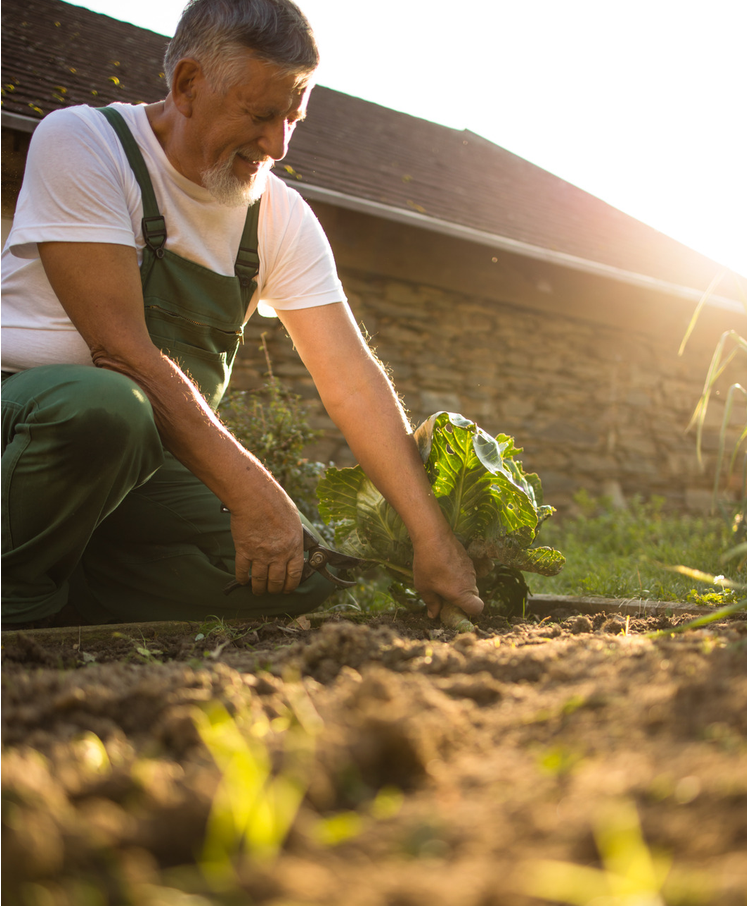
It might be picking up a hobby, going for a walk, getting creative, playing music, cooking something from scratch, working with our hands or simply doing something that makes us forget to check the clock.
Finding your flow isn’t about being productive every minute of the day. It’s about discovering the activities and environments where you feel absorbed, engaged and fully present.
And perhaps, in a world that’s constantly competing for our attention, that’s something worth making space for.