

You wake up, automatically scroll your phone, sip your coffee, and already feeling tense. Sound familiar? That buzzing tension in your shoulders, the racing thoughts, the little anxiety nudges – that’s your nervous system speaking. This Stress Awareness Month, it’s worth stopping to listen.
Stress isn’t just a feeling. It’s your body’s way of saying, “Something here needs attention.” It’s a system designed to protect you, to keep you safe. But when it never gets the signal that it’s safe to settle, it stays alert, braced, and ready.
That tension can look like irritability over small things, exhaustion despite a full night’s sleep, trouble focusing, or a sense that you’re always running to catch up. It can be easy to view these as personal failings. But what if they aren’t? What if they are information – signals from your body telling you that things are out of balance?
In this blog post, we’re going to explore how our devices could be causing us additional stress – even if we don’t realise it.
Why Our Nervous Systems Are Overwhelmed
Everyone experiences stress differently – from work pressures and health concerns to social challenges and financial worries – but one thing almost all of us share is the impact of constant information and endless demands on our attention: notifications, emails, social media updates, news alerts… the list goes on.
It’s important to acknowledge that technology isn’t always the enemy – it can do amazing things! Take the COVID lockdowns – video calls, messages, and online communities kept us connected with family and friends, even when we were isolated at home.
The challenge is that, like most things, technology works best in balance. Too much, and it can leave our nervous systems feeling constantly “on.” Our bodies are designed to handle stress in short, sharp bursts – a predator chasing, a sudden fall, or a sprint to catch food. These moments were intense but brief, almost always followed by periods of calm.
Even though we’re not running from lions, our nervous system responds to digital stimuli as if we need to be alert: heart rate rises, muscles tense, and stress hormones are released. Research shows the average person checks their phone 80–150 times a day, sending hundreds of small “stress signals” to the nervous system.
The good news is that with awareness and intentional habits, we can make adjustments to improve our wellbeing. Pausing, setting limits, and creating space to recharge gives our nervous systems a chance to reset. Technology can still enhance our lives without leaving us drained – it’s all about balance.
How does technology fit into your life? Does it enhance your day, or do you sometimes feel consumed by it?
The Pressure Young People Face
Young people face a unique challenge. Most have grown up in a world where it’s normal for everyone to have a device in their pocket – always being connected and reachable – is actually highly unnatural for our brains and bodies.
On top of that, the usual stressors remain: barriers to independent living, worries about housing, employment uncertainty, and questions about what’s next all layer up, creating a constant background pressure.
That’s why we’re so proud to be involved with the youth-led Move On and Thrive Programme. What makes it truly special is that young people themselves are at the heart of it – they sit on steering panels, share lived experience, and help shape decisions – how amazing!
Through this programme, Project 360 was funded. Led by our Duty Lead, Hannah, the project is now in it’s third successful year. Delivered as part of Move On and Thrive, run by Sovereign Network Group, the project was designed to equip 16–25‑year‑olds with practical tools and skills to navigate life’s challenges while supporting and improving their mental wellbeing.
When we have space, guidance, and practical tools, stress stops running the show. It becomes a signal we can read, a challenge we can navigate, and a stepping stone toward thriving.
89%
of young people surveyed agreed that social media helps drive harmful behaviours, www.youngminds.org.uk.
42%
of young people find it difficult to leave social media and display early signs of addictive behaviour, www.youngminds.org.uk.
6 hours daily
young people spend online (labelled ‘extreme use’) have lower life satisfaction (6.59/10) than moderate users (7.40/10), UK Parliment reports.
Something for Everyone
When we stop ignoring the signals our nervous system gives us, we can start to make intentional choices rather than just reacting.
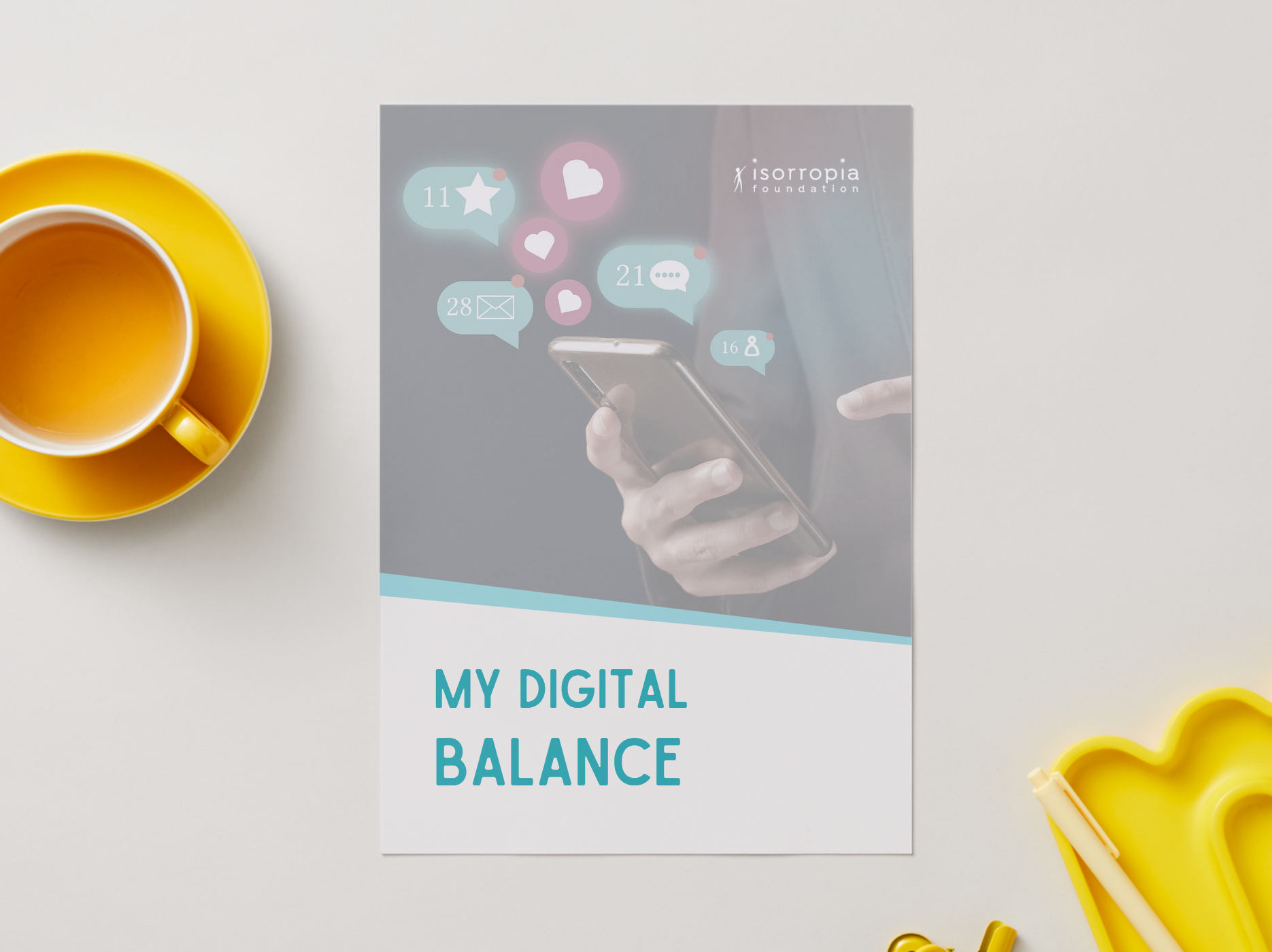
Our new workbook, My Digital Balance, was designed to help you explore the pros and cons of internet use, understand the psychology behind scrolling, and create practical digital boundaries that support your wellbeing.
Pausing, reflecting, and making small adjustments are the everyday actions that give your nervous system space to settle and recover.
From Surviving to Thriving
Stress Awareness Month is a chance to acknowledge that stress is real and something we all face at times, but it also invites us to step back, reflect, and consider the bigger picture of our wellbeing. Supportive communities, practical tools, and empowerment aren’t luxuries. They are essential.
Programmes like Project 360, supported by youth-led initiatives like the Move On and Thrive Fund, show that when people have guidance, voice, and opportunity, they can thrive.
Stress can come in many forms – but so can support! It might be a chat with a trusted friend or family member, guidance from a professional, joining a programme that builds skills and confidence, or practical tools like our Digital Balance workbook.
If you’re interested in improving your wellbeing and strengthening your coping skills, we’re here to help. Click here to get in touch or complete this quick online form to let us know you’d like to become a member and access Isorropia Foundation’s workshops.