

March is the host of Nutrition & Hydration Week (16th-22nd March), making it the perfect time to pause, reset, and pay attention to these fundamental needs.
The Foundation’s of Wellbeing
Nutrition provides the energy and nutrients our cells, organs, and nervous system require to work efficiently. Hydration supports circulation, digestion, temperature regulation, and even brain function. Without these basics, everything else – from your ability to concentrate at work to your emotional resilience – is compromised.
Think of food and water as the “base layer” of your wellbeing. Everything else you do, from meditation to exercise, is more effective when your body is properly fuelled.
How Food Fuels the Brain
- Blood sugar fluctuations from skipping meals or consuming refined carbs can trigger irritability, anxiety, and difficulty concentrating.
- Omega-3 fatty acids, found in fatty fish, flaxseeds, and walnuts, support brain function and have been linked to reduced symptoms of depression.
- Micronutrients like B vitamins, magnesium, and zinc are essential for neurotransmitter production, influencing sleep, motivation, and stress resilience.
Even minor nutrient deficiencies can quietly undermine emotional stability, leaving us more vulnerable to stress.
Hydration: The Unsung Hero
Water is the single most abundant substance in the human body – making up roughly 60% of an adult’s body weight. Every cell, tissue, and organ relies on water to function properly, including the brain. Even mild dehydration can impair attention, memory, and mood, leaving us feeling fatigued, irritable, or foggy-headed.
To put it in perspective, the human body can survive weeks without food, but only a few days without water, highlighting just how crucial it is for both physical and mental health. Staying hydrated helps regulate stress hormones, supports neurotransmitter function, and maintains optimal cognitive performance, making it a foundational piece of overall wellbeing.
Small Changes, Big Impact
So we know nutrition and hydration are important, but how can we actually apply it? There are plenty of tips and tricks we can try, but one approach we love for integrating any new habit into your daily routine is habit stacking.
Habit stacking means linking a new habit to an existing routine so it becomes almost automatic. Here are some examples to support nutrition and hydration:
-
After I brush my teeth in the morning, I drink a glass of water.
-
With my morning coffee, I eat a protein-rich snack or fruit.
-
After I finish lunch, I take three deep breaths or stretch for two minutes – a mini reset that supports digestion and mental clarity.
-
Before dinner, I check that I’ve had at least 1–2 liters of water throughout the day.
By stacking small, achievable habits onto routines you already do daily, you build a foundation for sustainable wellbeing without overthinking it.
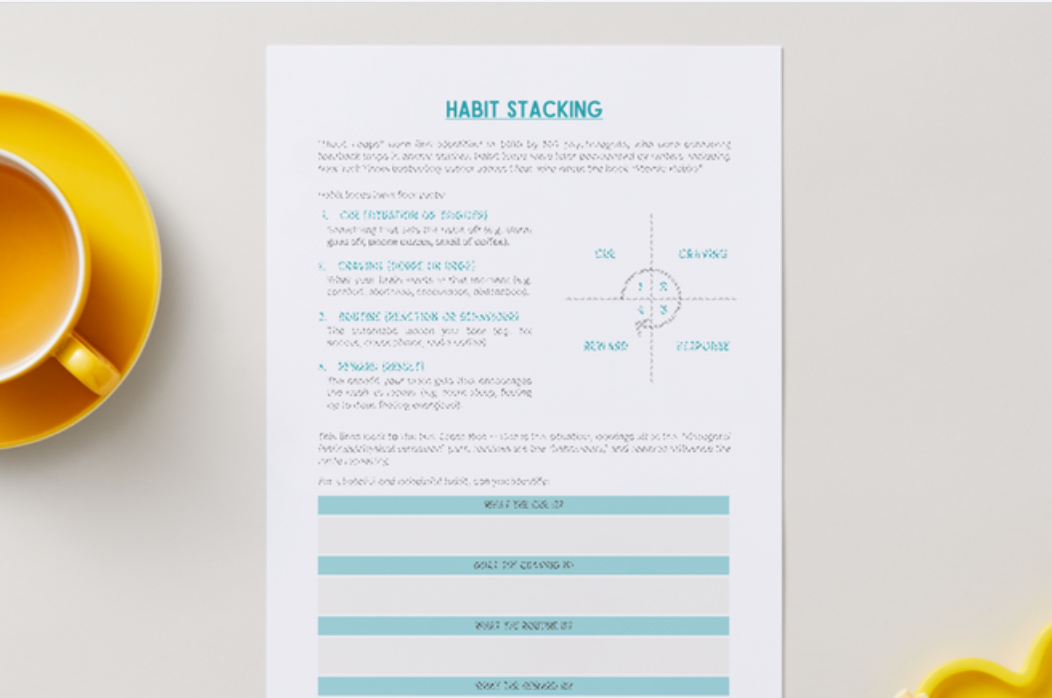
Habit Stacking Toolbox
One Piece of the Puzzle...
It’s important to remember that food and water are just one piece of the puzzle – they won’t magically make us happy or solve our problems on their own. However, that doesn’t mean we should overlook the impact of what we eat and drink. Nutrition and hydration provide the foundation on which many other aspects of wellbeing can flourish.
Recognising this connection between body and mind – and supporting it consistently – is a vital step in building overall wellbeing. By attending to these foundational needs, we’re not just “taking care of our bodies,” we’re actively giving our minds the conditions they need to thrive. It’s a reminder that lasting mental health is holistic: each piece of the puzzle matters, and nutrition and hydration are key parts we shouldn’t ignore.